Facebook
 X
X
 Pinterest
 Copy Link
Jackie’s Story Continues: Why Planning Is an Act of Self-Care

When independence, aging, and reality collide, and why preparation matters more than we think.
Debbi DiMaggio | March 4, 2026
Planning for aging isn’t about fear. It’s about dignity, choice, and giving yourself the best possible landing.
I’m sorting this out in real time.
This may not be the most uplifting piece I’ve written, but it may be one of the most important. Not all of us are fortunate enough to have children nearby or family members able to step in as caregivers. Because of that reality, each of us has a responsibility to think ahead about our future as we enter the golden years and beyond. Preparation matters. It deserves the same care and attention we give to planning a vacation or an overseas trip.
You wouldn’t show up at the airport without a passport, a ticket, or a destination in mind. Yet when it comes to aging, many people do exactly that. They assume things will work themselves out.
They rarely do.
Instead, create a checklist. Identify the people who will support you. Consider your future living situation with the same curiosity you would use when researching a hotel for a stay in a new city. When you plan ahead, you give yourself options. When you avoid planning, you risk missing your flight altogether. You miss the opportunity for a soft landing.
And if you fail to make decisions while you are healthy and clear-minded, the road ahead can become far more difficult for everyone involved. As I often say in Mindset in Motion, if you fail to plan, you are planning to fail.
Jackie’s story has brought that lesson into sharp focus.
Not long ago, Jackie fell.
She lives in an independent living community, not assisted living. That distinction matters more than most people realize. Independent living provides housing and community, but not the level of care someone may suddenly need after an accident.
Even though it was “just a fall,” she was taken to the hospital by ambulance—twice.
If Jackie had close family nearby, someone might have called her primary care doctor and driven her to urgent care or a clinic. Instead, the system responded the only way it could. An ambulance arrived and Jackie was transported to the hospital.
She became confused during the process, and honestly, so did I.
Shortly after returning to her apartment, she went back again because she couldn’t make it downstairs for meals. I still don’t know whether someone advised her to return or if she simply felt so overwhelmed that the hospital seemed like the safest place to go.
But a hospital is not designed for long-term support. It is for people who are acutely ill. When someone doesn’t have a strong support system, however, it can become a temporary landing place.
After her second visit, Jackie was discharged to a rehabilitation facility. From the outside it looked like a quiet residential building tucked into a neighborhood. Inside, it felt more like an extension of the hospital.
Many patients remained in bed for long stretches of time.
I couldn’t help but wonder whether they were exercising and regaining strength, or simply waiting.
Jackie told me that at night people were screaming. When I visited one evening around five o’clock, her room was dark. Even the bathroom light was out. I helped her get up and walk to the restroom.
Her fall had left her hip sore, but she wasn’t seriously injured. Ironically, after spending several days mostly in bed, her other hip began to hurt as well.
I asked about physical therapy. Jackie believed she had received it twice. When I asked a staff member, I was told therapy happened daily. When I pressed further, someone else explained that the therapy team came in the mornings.
The answers never quite aligned.
While I was out of town for two days, Jackie was discharged. She later told me she didn’t remember who drove her home or how she got there. She only recalled that it was an old jalopy and that she was so embarrassed she covered her head with a scarf.
You truly cannot make this up.
Throughout this process I have been reminded of something important: friendship has limits when it comes to care.
I am not Jackie’s nurse. I am not her family. I am a neighbor and a friend doing my best to help.
Jackie does have health insurance and a primary care doctor she likes, but scheduling appointments, coordinating medications, and navigating the healthcare system has become overwhelming for her. For a few days she agreed to work with an elder-care professional who helped organize communication, manage medications, and provide structure.
Then Jackie became worried about the cost and began resisting the help.
During this time I learned something that was both painful and clarifying. Many of Jackie’s behaviors, her frustration, forgetfulness, and sudden bursts of anger, are common signs of cognitive decline.
Hearing that was difficult, but it helped explain the chaos and confusion surrounding recent events.
Eight months ago, when Jackie was feeling well, she handed me a small list of four phone numbers: her fiduciary, her attorney, the Neptune Society, and a niece. As far as I know, her niece has never visited.
Jackie does not have a formal advocate living nearby. She has me and another caring neighbor trying to piece together what is happening. We have begun noticing inconsistencies in her stories, different versions of the same event told to different people. This too can be a sign of early dementia.
I mentioned to Jackie that she should speak with her fiduciary, but she kept repeating that he is not needed until she passes. That isn’t accurate, yet she continues to resist the idea. He did explain that he could coordinate care and help manage important decisions if she asked him to step in. However, Jackie emphatically denies that this is part of his role.
At the moment, we are at a standstill. He does have a copy of her trust and all the important paperwork in his possession for when the time comes.
Right now, everyday tasks are becoming harder for Jackie. Paying bills, scheduling appointments, keeping track of medications, even remembering to eat regularly, each one feels overwhelming. She also dislikes having people enter her apartment, and staff members sometimes hesitate because they worry she might become upset.
I understand her emotions. Beneath the anger is sadness and fear. She feels bored, frustrated, depressed, and uncertain about what is happening to her life. Even though she has financial resources, in her mind she often believes she does not.
Moments like this reveal why professional advocates are so important.
I will continue to support Jackie as a friend, but situations like this require trained experts who understand elder care, healthcare systems, and cognitive decline.
Seven months ago we celebrated Jackie’s move into independent living. She told me she couldn’t have done it without my help. That transition involved coordinating movers, packers, donations, banking changes, insurance, medical providers, utilities, appointments, and technology.
Soon we will be preparing for another transition, this time into assisted living.
Neither of us expected things to change so quickly.
But aging is unpredictable, and sometimes decisions must be made faster than we would like. By the time this story continues, Jackie may already have moved again.
Her story is not just about one woman navigating a difficult chapter. It is a reminder for all of us to pause and ask ourselves a few honest questions.
Do you have a plan for the years ahead?
Do you have a team you trust?
Does someone know your wishes if you cannot communicate them yourself?
Do you have a fiduciary, a healthcare directive, and a thoughtful strategy for where and how you want to live?
Or are you assuming you will figure it out later?
Planning for aging is not about fear. It is about dignity. It is about maintaining as much choice and control as possible. Most importantly, it is about giving yourself the best possible landing when life inevitably changes course.
If you are beginning to think about these questions for yourself or for someone you love, please don’t wait for a crisis. I’m always happy to share professional referrals and trusted resources.
The best time to make a plan is long before you need one.
Reach out anytime.
Jackie’s Story Continues: Why Planning Is an Act of Self-Care
When independence, aging, and reality collide—and why preparation matters more than we think.
As a real estate advisor in the East Bay, I often work with clients navigating major life transitions, downsizing, relocating, or planning the next chapter of their lives. One topic that comes up again and again is how to prepare for aging while maintaining independence, dignity, and choice.
This story is deeply personal. It follows the experience of a friend navigating unexpected health challenges while living alone. Her journey is a reminder that planning for the future, housing, healthcare, finances, and support systems, is one of the most important acts of self-care we can give ourselves.
For those living in Piedmont, Oakland, and throughout the East Bay, these conversations are becoming more common as many homeowners consider what their next chapter may look like.
A Simple Planning Checklist for Your Next Chapter
If Jackie’s story resonates with you, consider taking a few simple steps now while you have time, clarity, and control.
Start by asking yourself:
-
Do I have a trusted person or advocate who knows my wishes?
-
Have I created a healthcare directive and financial plan?
-
Do I understand my housing options if my needs change?
-
Have I explored whether I can age in place or if a move may eventually be needed?
-
Do my loved ones know where important documents are located?
Planning ahead does not mean giving up independence. In many ways, it protects it.
To help you get started, I’ve created a simple resource:
The Next Chapter Planning Guide: Preparing for Downsizing, Aging in Place, and Future Living Options
This guide walks you through the key conversations, documents, and housing considerations that can make future transitions far less stressful.
If you would like a copy, feel free to reach out and I’ll happily share it.
Let’s Start the Conversation
Every family’s situation is different, and these conversations can feel overwhelming. I’ve helped many East Bay homeowners navigate transitions including downsizing, relocating, and preparing for the next stage of life.
If you or someone you love is beginning to think about the future, I’m always happy to share resources and connect you with trusted professionals.
The best time to make a plan is long before you need one.
Reach out anytime.
Debbi DiMaggio
Debbi.DiMaggio@corcoranicon.com
DiMaggio Betta Group | Corcoran Icon Properties
The Hard Truth About Aging Alone: What Every Boomer and Adult Child Should Know

“The time to make decisions about care and community is before the need becomes urgent — not after.”
Over the past decade, I’ve spent time learning about retirement communities and the many options available for mature adults entering their golden years. What began as curiosity has evolved into a deep understanding of how critical these decisions truly are — not only for safety and comfort, but for emotional well-being and peace of mind.
One story in particular has stayed with me.
My dear friend Jackie and I often went out to lunch, sharing stories of her beautiful life — her loving husband, her travels, and her adventures. But when her husband passed away, she was left virtually alone. She had only a few friends and one distant cousin living three states away. As the years passed, I often wondered what her next chapter would look like.
Living alone without nearby family or a strong social circle left Jackie missing one of life’s most vital elements: community.
Retirement communities are designed to fill that void — places where connection, engagement, and support are built in. But it’s essential to choose one that truly understands your needs.
Because here’s the question no one asks until it’s too late:
Will someone check on you?
Will there be help during times of transition?
If not… who will be your advocate?
These questions matter deeply.
When Jackie finally decided to move, it wasn’t because she wanted a new lifestyle — it was out of necessity. Her three-level home had become too much to manage. What followed was both heart-wrenching and eye-opening.
We spent countless days sorting through her belongings, taking bags to donation centers over many months. Jackie refused outside help, determined to handle everything herself. Even taping boxes became a labor of love — and perhaps a small way to maintain control in a season of life where so much feels uncertain.
I encouraged her to meet with a financial planner and trust attorney to ensure her security. She resisted at first, but eventually agreed to meet with our trusted advisor. He assured me she was financially fine.
Still, like so many seniors, she carried the quiet fear of running out of money.
The real struggle began during the move itself.
Despite my repeated pleas, Jackie would not accept help. At nearly 96 years old — though I had mistakenly believed she was 86 — she insisted on doing everything alone. I took time off work to support her, joining her for meals at her new community, driving her on errands, and sitting in her new apartment as she refused to let me unpack a single box.
What surprised me most was the limited support from the community staff. They were kind, but their role didn’t include the personal assistance we both assumed would be there.
No one checked on her as she sat among boxes, distraught and declining — not out of neglect, but because that level of care simply wasn’t part of the system.
And that was the moment I truly understood something:
A beautiful retirement community does not automatically mean real support.
It was heartbreaking to watch her independence collide with frailty. I realized this wasn’t just about moving — it was about losing control.
I had seen it before — that same unraveling that happens when independence begins to slip away.
The Lesson I Want to Share
The wisdom is simple:
Plan ahead.
Make these decisions early — for yourself or your parents — before the need becomes urgent. Understand what each community truly offers, beyond the beautiful décor and activities.
Ask the hard questions:
-
Will someone check in daily?
-
Will they notice if meals are missed?
-
Will they support the emotional side of moving in?
-
What happens when independence changes overnight?
Moving is hard at any age, but for seniors leaving a lifelong home, it can be one of life’s most taxing and lonely transitions.
Let’s make sure our loved ones never face it without support, compassion, and true community.
Your Next Move
If you are a baby boomer planning your next chapter — or an adult child quietly worrying about your parent’s future — I encourage you to start the conversation now.
Don’t wait for a fall, a crisis, or an emergency to force a rushed decision.
If you’d like guidance, resources, or trusted local referrals for senior housing options, downsizing support, or estate planning professionals, I’m here to help.
Reach out to me today and let’s create a plan that protects independence, dignity, and peace of mind — before life makes the decision for you.
Because aging alone shouldn’t mean struggling alone.
Debbi DiMaggio is a respected contributor to Piedmont Living Magazine and The Piedmont Post, where she shares lifestyle insights and trusted guidance for those navigating life’s most meaningful transitions. With over 35 years of real estate expertise, Debbi has built a career rooted in integrity, relationship, and results—helping clients confidently navigate one of the most significant financial and emotional decisions of their lives.
Alongside her partner Adam, Debbi brings a thoughtful, elevated approach to real estate—combining deep market knowledge with genuine care, discretion, and a commitment to exceptional service. Together, they are passionate about helping individuals and families transition with clarity, ease, and peace of mind.
Whether you are preparing to sell a longtime home or searching for the perfect next chapter, Debbi and Adam are here to guide you with experience, compassion, and trusted expertise.
Reach out today for a private consultation and personalized support. 510.414.6777 | Debbi.DiMaggio@corcoranicon.com | www.DebbiDiMaggio.com
In the Holiday Edit | Happy Holidays To You And Yours

Dear Friends, and Family, Clients, Colleagues, Service Providers, Colleagues, Fellow Podcasters, and You,
As the year draws to a close and the holiday season sparkles all around us, I want to pause and express my heartfelt gratitude. This has been an extraordinary year—filled with growth, challenges, meaningful conversations, and powerful connections. I am deeply thankful for your trust, referrals, support, and friendship.
Being part of such a thoughtful and resilient community is truly a gift. This year has also been an exciting chapter as I continued conversations through my podcast, Mastering the Art of Success, where we explore mindset, real estate, entrepreneurship, lifestyle, wellness, and what it truly means to thrive through every season of life.
Reflecting on a Remarkable Year in Real Estate
There’s no question this has been a fascinating and complex year in real estate. Between shifting economic conditions, political uncertainty, global conflicts, and fluctuating interest rates, the market demanded resilience, adaptability, and perspective. And yet—we made it through. Together.
What continues to stand out most is the strength of relationships and the importance of trusted guidance during times of change. I’m incredibly proud of the way our community has navigated it all with grace and determination.I’m often asked how I manage to do so much.
The honest answer is that while I don’t golf or play pickleball, my passions are my hobbies—real estate, writing, health and wellness, learning, and helping others.
Although, I do enjoy a game of bocce from time to time.
The hours many spend on traditional “fun” or social activities are the hours I spend studying, creating, connecting, and supporting people through their next chapter. In many ways, that is my social life—and it brings me great joy and purpose.
A Festive Recipe to Enjoy This Season
Here’s a healthy, holiday favorite that’s easy, elegant, and perfect for entertaining or a cozy night at home:Pomegranate & Citrus Holiday Salad
Layer mixed greens with sliced oranges and grapefruit, crumbled goat cheese, toasted pistachios, and fresh pomegranate seeds. Finish with a light vinaigrette of olive oil, champagne vinegar, a touch of honey, and Dijon mustard. Bright, beautiful, and bursting with seasonal flavor. Both pomegranate and citrus are rich in antioxidants and vitamin C—supporting immune health, radiant skin, and overall vitality.
|

Your Connector for Home, Lifestyle & Life Transitions
One of the greatest privileges of my career has been building long-standing relationships with exceptional, experienced professionals across real estate, lifestyle, wellness, and life transitions. I’m proud to be deeply involved in organizations filled with trusted experts I confidently refer to because of their integrity, expertise, and heart for service.
I’m always happy to make introductions within my extended network, including:
- BNI – Business Networking International
A global network of top-tier professionals across nearly every industry—from home services and finance to legal, wellness, and business growth—grounded in trust and collaboration.
- NADP – National Association of Divorce Professionals
A compassionate, multidisciplinary community of experienced attorneys, financial advisors, therapists, mortgage professionals, and real estate specialists who work together to support individuals and families through divorce and life transitions.
- SRES® – Seniors Real Estate Specialist
A specialized network focused on serving seniors and their families, including vetted providers who understand downsizing, aging in place, estate planning, caregiving resources, and senior transitions.
- Women’s Council of REALTORS®
A respected national network of real estate leaders committed to collaboration, mentorship, and excellence—providing trusted connections locally and nationwide.
- Charity & Nonprofit Organizations
I’m passionate about giving back and am proud to be part of Hill Branch, supporting UCSF Benioff Children’s Hospital Oakland. Please save the date for our Annual Have A Heart for the Hospital Event on April 11, 2026.
In addition to making connections, I’m deeply committed to creating community—especially for those entering new chapters of life. Whether it’s navigating an empty nest, a move, a career shift, or another major transition, I love bringing people together so they feel supported, inspired, and never alone in the process. If you or someone you know would like to connect, click Your Next Chapter Community, or please reach out. Across all of these organizations and experiences, my role is simple: to connect you with the right people at the right time.
Health, Wellness, Eating Right, + the Home Environment
In addition to real estate and lifestyle, I continue to be deeply interested in health, wellness, and biohacking, especially how our home environments impact how we feel and function each day. I’m particularly inspired by innovations in: Grounding, and Grounding Beds and Mattresses, Clean Water Filtration, and Healthy Air – advanced air purification and clean-air technologies that help remove allergens, toxins, and airborne pollutants, creating a cleaner, more energizing environment and supporting better respiratory health and overall well-being. Thoughtful choices in these areas can make home feel even more restorative, intentional, and supportive of overall well-being. Learn more at HealthyTechs.com — and if you’re interested, use code #Wellness5 for a special offer.
|

| As we head into the holidays, my wish for you is peace, joy, good health, and meaningful moments shared with the people you love most. May your home be filled with warmth, gratitude, and inspiration for the year ahead.
With heartfelt thanks and holiday cheer, Debbi DiMaggio P.S. I’m thrilled to share that in early 2026 I will be publishing my **5th book, **Mindset in Motion. I’m currently in edit mode and loving every moment of bringing this work to life. Pre-orders will receive a signed copy plus a complimentary downloadable bonus upon publishing. To learn more or stay updated, visit www.MindsetInMotionBook.com — I can’t wait to share this next chapter with you! Click Here To: Start Your Home Search or Book an Appointment Link To Listings Page: Preview Here Links & Resources If you’d like to stay connected or explore more, here are a few helpful links: • Website: www.DebbiDiMaggio.com • Podcast: www.DebbiPodcast.com • Home Value Tool: www.WhatsTheValueOfMyHome.net Questions about interest rates? Allow me to connect you with Zach or reach out directly. Zach.Griffin@NAFinc.com | Insurance Needs? Interior Designer? Need to Update Your Will? We have the best Estate Planning Attorney. Tired of Cooking? We also can introduce you to our Personal Chef? Financial Planner, Chiropractor, and so many more! Just ask! As they say, there is an app for that, consider me your Connectivity App to Fulfill Your Every Need |
|



Top 5 Ways to Market a Home
When it comes to selling a home, thoughtful marketing can make all the difference. From creating buzz to making sure the right buyers walk through the door, every strategy counts. Here are my top five tried-and-true ways to market a home effectively.
1. Host Open Houses Frequently
You can never overexpose a home by holding it open. New buyers are entering the market every day—many without a Realtor—so making the property accessible and convenient is essential. Open houses invite curiosity, create energy around the listing, and often attract serious buyers who appreciate an easy way to tour the home.
2. Leverage Social Media
Today’s homebuyers and sellers love scrolling through beautiful homes for inspiration. Just as visitors attend open houses to collect ideas, social platforms offer a digital way to showcase lifestyle, design, and your work as an agent. Thoughtful, visually appealing posts can draw new eyes to your listing and widen your reach far beyond the local market.
3. Network with Fellow Agents
Agents are colleagues—not competitors. Real estate is a relationship-driven business, and we rely on one another to match buyers and sellers. Sharing upcoming listings, discussing buyer needs, and staying connected strengthens the entire marketplace and positions your listing for maximum exposure.
4. Build Strong Neighborhood Relationships
Cultivate a network of agents who specialize in key neighborhoods. These colleagues often have inside knowledge about upcoming listings—sometimes weeks before they hit the market. In Piedmont, for example, Adam and I maintain a curated list of trusted agents we call on regularly. Whether they have a new listing coming soon or insights about a home being prepped for market, these relationships are invaluable.
5. Throw a Party
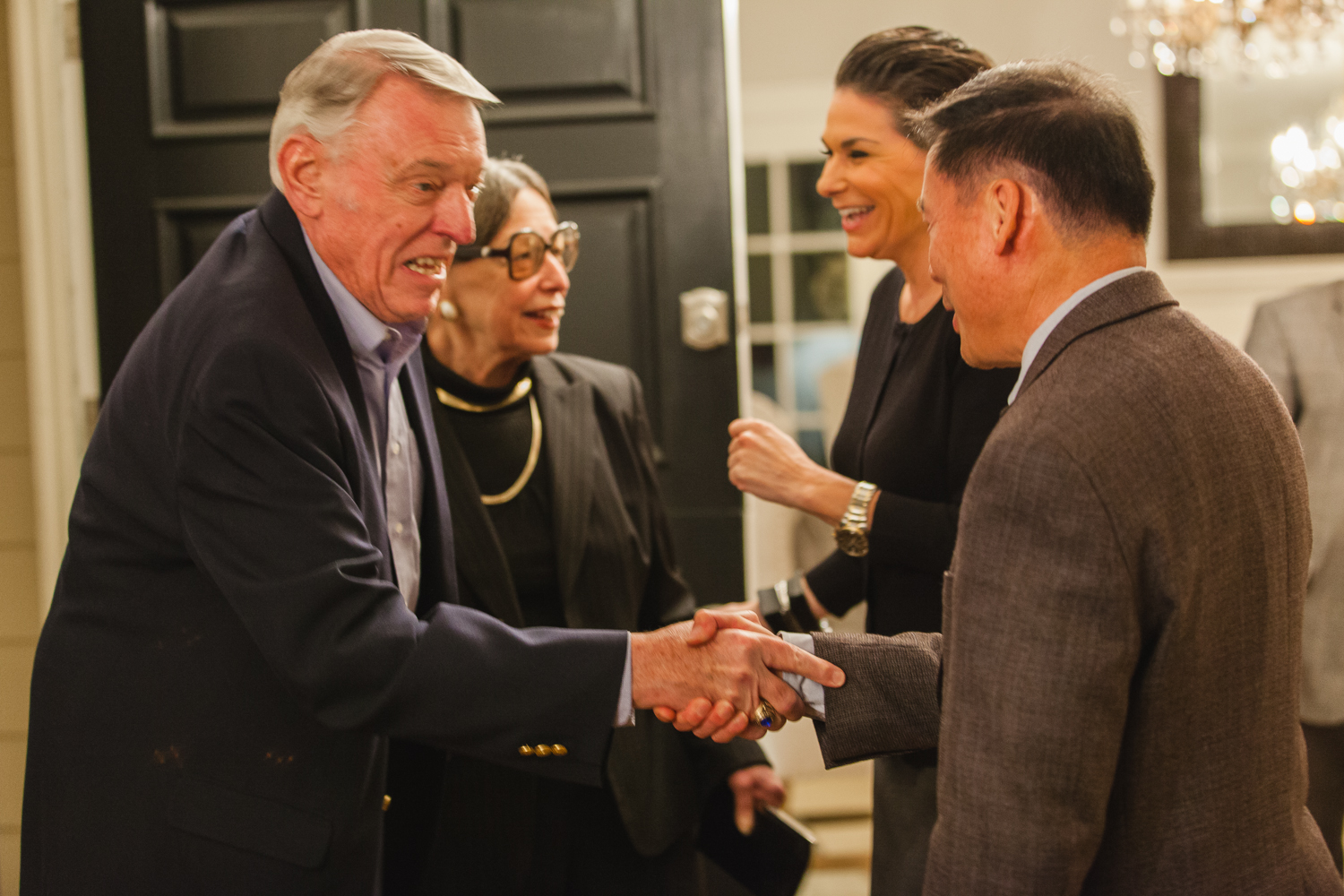
This final tip was inspired by an article written about my colleague Bernie and me when we listed a beautifully reinvented home in Piedmont. What did we do? We threw a party—actually, two. First, we hosted a daytime luncheon for the agent community. That evening, we unveiled the home to neighbors, friends, colleagues, and clients. These events created excitement, showcased the home’s transformation, and generated meaningful buzz.
If you’re considering buying or selling in the East Bay, LA, or beyond, my team and I would love to guide you. We also collaborate with a trusted network of knowledgeable agents nationwide and internationally. Wherever your next chapter leads, we’re here to help.
Inside the Delay at 5100 Broadway: Oakland’s Redevelopment Challenges and Environmental Oversight

Why the Lot at 5100 Broadway Has Sat Empty — And What It Means for Future Development
At the DiMaggio Betta Group, we often get questions about neighborhoods, commercial projects, and the future of local redevelopment. One of the most common inquiries we hear is about the long-empty lot at 5100 Broadway in Oakland.
If you’ve ever wondered why this space has remained untouched for so long, here’s the story—and why it matters for both homeowners and commercial property owners.
A Site With History: From Rockridge Shopping Center to Redevelopment Planning
The lot at 5100 Broadway is part of what was once the Rockridge Shopping Center, a multi-tenant commercial property serving the community for decades.
The property is currently undergoing a multi-phase redevelopment:
- Phase I has already been completed.
- Phase II, which includes the currently vacant lot, is still pending.
While it might appear that nothing is happening, there is a great deal going on behind the scenes.
Former Dry Cleaners and Why That Matters Today
Before Best Coast Burritos occupied its current location, the space housed two dry-cleaning businesses from 1967 to 2014.
Historically, dry cleaners used PCE (tetrachloroethylene)—a solvent now known to contaminate soil and soil vapor if not properly handled. Over decades, trace amounts can seep into surrounding land, impacting future development.
Testing at the site confirmed the presence of PCE and its breakdown chemicals, which triggered environmental oversight.
Alameda County Oversight: Necessary, Thorough, and Slow
Because of the past use, the property now falls under the supervision of Alameda County environmental regulators. Any new commercial construction must meet strict health, safety, and environmental standards.
This process is:
- Detailed — involving studies, samples, monitoring, and remediation plans
- Costly — environmental cleanup can be significant in scope and price
- Lengthy — regulatory review alone can extend timelines by years
Until the county deems the site safe and compliant, Phase II redevelopment cannot begin.
What’s Next for 5100 Broadway?
The long-term plan is to transform the site into new commercial space that complements the surrounding neighborhood and recently completed improvements.
However, environmental work must be successfully completed first. For now, the empty lot isn’t a sign of neglect—it’s evidence of due diligence and the rigorous process required to build responsibly.
Need Environmental Guidance? We Can Help.
Environmental issues aren’t limited to commercial properties—older homes, remodels, and mixed-use sites can also require specialized evaluation.
If you ever need an environmental expert to review your home, investment property, or commercial project, we can connect you with Joseph Adams of All Phase Environmental Services (APES).
Joseph is one of the top environmental professionals in the region, trusted for his thorough assessments, clear communication, and ability to guide property owners through regulatory processes.
Reach out to us anytime, and we’ll make the introduction.
Want to Dig Deeper?
All historical environmental reports for the site are publicly available through the State Water Board’s GeoTracker Database—a comprehensive record of testing, monitoring, and oversight for 5100 Broadway.
Staying Informed
At The DiMaggio Betta Group, our goal is to keep our community informed with clarity and transparency. Whether you’re buying, selling, developing, or simply curious about your neighborhood, we’re here as your trusted resource.
If you’d like a real estate consultation or want more insights on local redevelopment projects, feel free to reach out.
www.DiMaggioBettaGroup.co | Debbi.DiMaggio@corcoranicon.com | 510.414.6777 | 510.414.1250
What’s Really on the Minds of Today’s Homebuyers: Affordability, Lifestyle, and the New Market Reality

Modern homebuyers are balancing affordability, interest rates, and livability in ways that redefine what “dream home” means. Many are trading square footage for location, looking for community perks over luxury upgrades, and comparing long-term costs more than ever. The housing market’s rhythm is shifting — and buyers are moving with strategy, not sentiment.
The Real Talk: What Homebuyers Are Feeling
Let’s start with the obvious — prices are still high, and so are expectations. Whether you’re browsing listings in the suburbs or trying to grab a condo downtown, affordability is the first wall most buyers hit. Rising home prices, even when paired with moderate rate drops, make “monthly payment math” the deciding factor.
That means buyers are getting creative:
- Expanding their search radius
- Considering smaller homes or fixer-uppers
- Partnering with family for co-buying
- Looking into first-time buyer programs and down payment assistance tools
At the same time, people are realizing that affordability isn’t just the sticker price — it’s the whole life cost of ownership.
Key Buyer Priorities
|
Concern |
What It Means for Buyers |
Real Impact |
|
Interest Rates |
Even slight rate drops can shift affordability by hundreds per month |
Drives timing decisions |
|
Neighborhood Dynamics |
Walkability, safety, and amenities trump sheer size |
Changing where people compromise |
|
Condition |
Consider the condition, improvements and updates needed |
Helps in determining offer price |
|
Competition |
Fewer bidding wars, but quality homes move fast |
Encourages fast pre-approvals |
|
Sustainability |
Energy-efficient homes = lower long-term cost |
Seen as financial strategy, not luxury |
How-To: Navigate the Market Like a Pro
- Know your threshold — Use a mortgage calculator to identify your max payment before house hunting.
- Focus on fundamentals — Solid foundation, good roof, and location still beat designer faucets.
- Get pre-approved early — Sites like Better.com streamline the process and strengthen your offer.
- Inspect with intent. For any questions about the home’s systems or components, seek the advice of a licensed contractor or appropriate service provider.
- Factor in future upkeep — Plan for 1–3% of home value annually in maintenance.
Quick FAQ
Q: Are buyers still facing bidding wars?
A: Not like before. Competition is down in most areas, but top-condition homes or renovated properties still draw multiple offers.
Q: What’s driving neighborhood trends?
A: Access to hybrid work, parks, and schools. Suburban cores with mixed-use developments are thriving.
Q: Is now a bad time to buy?
A: Not necessarily. It depends more on personal stability than macro trends. If you can afford it and plan to stay 5+ years, stability beats speculation.
Q: Should I wait for lower interest rates?
A: Not necessarily. Waiting could mean paying more if home prices continue to rise—plus, when rates do drop, more buyers will jump back into the market, increasing competition and the likelihood of multiple offers. If you find a home you love, consider locking in now and refinancing later if rates improve.
The Repair Reality
A big factor in today’s market? The condition of the home. Buyers are weighing the cost and effort of needed repairs more seriously than ever before — a dated kitchen or an aging HVAC system can tip the scale from “offer” to “walk away.”
To make deals smoother, some sellers are offering to transfer a home warranty — a service contract that covers the repair or replacement of major systems (like plumbing, heating, and electrical) due to normal wear and tear. This kind of peace of mind helps both sides move forward confidently.
If you’re buying, explore your real estate home warranty considerations for buyers — it’s a small safeguard that can make a big difference when you move in.
Product Spotlight: The Smart Thermostat Revolution
While buyers are counting every dollar, they’re also investing in comfort. Devices like the Nest Learning Thermostat not only cut energy costs but boost a home’s appeal. The trend toward “practical tech” is reshaping what feels modern — it’s less about luxury gadgets and more about long-term efficiency.
Bonus: Buyer’s Mini-Checklist
- Get pre-approved before you fall in love with a listing
- Research local taxes and HOA fees
- Review past utility bills for real cost of ownership
- Review reports and inspections provided, or —obtain one while in escrow
- Negotiate repairs or credits before closing ( depending on the market )
- Verify school district and commute options
- Think beyond the price tag: community, commute, condition
Related Resources
- NAR Market Snapshot
- Zillow Housing Trends
- Redfin Data Center
- Home Energy Saver Tool
- Mortgage News Daily Rate Tracker
Homebuyers today aren’t just dreamers — they’re analysts. They’re comparing, calculating, and prioritizing sustainability and security as much as square footage. The modern buyer mindset is practical, data-driven, and deeply attuned to value — proving that the new definition of “home” isn’t just about where you live, but how well it fits your life, your budget, and your future.
Thinking about buying or selling? Let’s connect and map out your best next move.
Debbi DiMaggio | Corcoran Icon Properties | Realtors for the Generations | Debbi.DiMaggio@corcoranicon.com 510.414.6777 | www.DebbiDiMaggio.com
The Hard Truth About Aging Alone: What Every Boomer and Adult Child Should Know

The Time to Make Decisions About Care and Community Is Before the Need Becomes Urgent — Not After
Over the past decade, I’ve spent time learning about the various retirement communities and options for mature adults heading into their golden years. It began as curiosity and evolved into something much deeper — an awareness of how crucial these decisions are, not only for safety and comfort but also for emotional well-being.
My dear friend Jackie and I often went out to lunch, sharing stories of her full and beautiful life — boyfriends, her loving husband and best friend, and tales from her extensive travels. When her husband, her best friend, passed, she was left virtually alone, with very few friends and a single distant cousin three states away — someone I’ve never known to have visited her, ever.
As the years passed, I often wondered what her next chapter would look like. Living alone, without a strong social circle or nearby family, left her missing one of life’s most vital elements: community.
Retirement communities are meant to fill that void — places where connection, engagement, and support are built in. But equally important is choosing a community that truly understands your needs:
👉 Will you have someone checking in on you?
👉 Will there be assistance when you need it, especially during times of transition?
👉 And if not, who will be your advocate?
These questions matter deeply.
The Move
When Jackie finally decided to move, she did so out of necessity — her three-level home had become too much to manage. What unfolded over the next few months was both heart-wrenching and eye-opening.
We spent countless days sorting through books, CDs, and household items, taking four bags at a time to donation centers and auctions — over months and months. She refused help, determined to handle every item herself. I offered repeatedly to assist with packing and disposal, but she wanted to be part of every decision and accompany me on every drop-off. Even taping her boxes became a labor of love — and perhaps resistance — something she could control.
I encouraged her to speak with two of my knowledgeable colleagues, financial planner, David Grodin, and Shane Barnard, our trusted attorney to ensure she was secure. She resisted that too, until we persuaded her to come to our office to meet with David Grodin, a trusted advisor. He reassured me that she would be financially fine, though like many seniors, she feared running out of money.
The Struggle
The real struggle began during the move itself. Despite my pleas, Jackie would not accept help. At nearly 96 years old — though I had thought she was 86 — she was determined to do everything on her own.
I took days off work to assist where I could, joining her for meals in her new retirement community to encourage her to eat, driving her on endless errands, and sitting in her apartment helpless as I was not allowed to move a bag or put away a single plate.
What surprised me most was the limited support from the community staff. They were kind and welcoming, but it became clear that their role did not include the level of personal assistance we both had assumed. No one checked on her well-being as she sat in a mound of boxes, distraught, or helped her get settled during those first few days — even when I asked — not out of neglect, but simply because that kind of individualized care wasn’t part of their system.
The Realization
She was left to navigate piles of boxes, growing thinner, sadder, and more frustrated by the day. It’s heartbreaking to witness someone’s independence collide with frailty. I began to realize this wasn’t just about moving — it was about losing control.
I had seen something similar years before when selling a grand Piedmont home for a family friend I had known since childhood — a man who had once been powerful and confident but began to unravel as his independence slipped away.
Is it dementia? Old age? The disorienting feeling of life spinning beyond one’s control? It’s hard to know. But one thing is certain — no one should face it alone.
The Takeaway
The wisdom I want to share is this: plan ahead. Make these decisions early — for yourself or your parents — before the need becomes urgent.
Understand what each community truly offers — not just beautiful surroundings or social calendars, but real, consistent care and attention.
Ask:
-
Will someone check in daily?
-
Will they notice if you stop coming to meals?
-
Will they help you get settled when you move in?
Moving is hard at any age. But for an elderly person leaving a familiar home, it can be one of the most taxing, emotional, and lonely transitions of their life. Let’s make sure none of our loved ones have to face it without support, compassion, and true community.
“It’s not just about where you live in your later years — it’s about who will be there to notice if you’re okay.”
Closing Thoughts
As I reflect on Jackie’s experience, I’m reminded that aging gracefully takes planning, honesty, and support. It’s about preparing for the practical — and the emotional — long before the moment of crisis arrives.
Whether you’re a boomer beginning to consider your next chapter or an adult child supporting aging parents, now is the time to start the conversation. Talk about what matters most, visit communities together, and clarify expectations about care, connection, and advocacy.
Real Estate Guidance for Life’s Next Chapter
As a real estate professional specializing in downsizing, transitions, and lifestyle moves, I help families and individuals navigate these moments with compassion, strategy, and care.
If you or someone you love is beginning to think about selling a longtime home, rightsizing, or exploring senior living options, I can help guide you every step of the way — from planning and preparation to move-in day and beyond.
Let’s start a conversation about what comes next.
📩 Contact me at debbi.dimaggio@corcoranicon.com
🌐 Visit www.DiMaggioBettaGroup.co to learn how we help clients navigate life transitions — with care, connection, and confidence. Speaker, Author, Podcast Host, Real Estate Advisor for the Generations: www.DebbiDiMaggio.com

How to Sell a Luxury Home in Piedmont & the East Bay | The DiMaggio Betta Group

Luxury Home Seller Guide – Piedmont & East Bay
Selling a luxury home in Piedmont or the East Bay requires more than just listing a property—it’s about crafting a story, curating an experience, and connecting with the right buyer. As one of the most sought-after real estate regions in the Bay Area, Piedmont and the East Bay attract discerning buyers who value architecture, lifestyle, and location. This guide walks you through what it takes to sell your luxury home successfully and strategically.
1. Know Your Market
The East Bay’s luxury real estate market is dynamic and highly localized. From the architectural charm of Piedmont’s classic estates to the contemporary homes in Oakland Hills, each neighborhood attracts different types of buyers. Understanding current market trends, comparable sales, and buyer expectations helps position your home competitively.
Tip: Work with an agent who not only knows the data but also the lifestyle—schools, local boutiques, art galleries, and restaurants—because luxury buyers purchase more than a home; they buy into a way of life.
2. Elevate Presentation
In the luxury market, presentation is everything. High-end buyers expect impeccable design, curated finishes, and emotional appeal.
Key Steps:
-
Professional Staging: Highlight your home’s architecture, flow, and scale with designer-level staging that evokes sophistication.
-
Luxury Photography & Videography: Include twilight shots, drone footage, and cinematic tours.
-
Signature Styling: Incorporate lifestyle elements—fresh florals, art, and textures—to create an aspirational yet livable atmosphere.
3. Strategic Pricing
Pricing a luxury property requires precision. Overpricing can limit your exposure; underpricing can undervalue your investment.
A strategic price reflects both market data and perceived value. Your agent should perform a comprehensive market analysis, factoring in unique attributes like views, design pedigree, or architectural heritage.
4. Marketing with Intention
Luxury buyers are global, digital, and design-savvy. Your marketing should meet them where they are—online, in print, and through curated experiences.
Modern Marketing Strategy:
-
Professional Branding: A custom property website, printed brochure, and cohesive visuals build credibility.
-
High-End Digital Campaigns: Targeted social media advertising and Google visibility attract local and international buyers.
-
Public Relations & Storytelling: The right media placement in lifestyle publications or digital features can position your home as an East Bay icon.
-
Private Events: Invite-only showings, art showcases, or cocktail receptions allow potential buyers to feel the home’s lifestyle.
5. Confidentiality & Discretion
Many luxury sellers value privacy. Work with a real estate professional who understands the art of discretion and has access to qualified buyers through private networks, exclusive brokerage connections, and off-market opportunities.
6. Timing the Market
Timing can influence your success. Spring and early summer often bring the highest visibility, but the right marketing strategy can make any season work. A skilled agent will align the timing of your sale with market demand, lifestyle trends, and your personal goals.
7. Partner with Proven Expertise
Selling a luxury property requires a blend of art, market intelligence, and negotiation mastery. With decades of experience in Piedmont and the greater East Bay, The DiMaggio Betta Group with Corcoran Icon Properties specializes in curating seamless, high-value selling experiences.
Our process goes beyond the transaction—we manage every detail, from pre-listing enhancements and vendor coordination to closing with grace and precision.
Ready to Begin?
If you’re considering selling your Piedmont or East Bay home, let’s create a strategy that highlights your property’s unique story and delivers exceptional results.
📞 Connect with Debbi DiMaggio
🏡 The DiMaggio Betta Group, Corcoran Icon Properties
🌐 www.dimaggiobettagroup.co
Building Global Connections: Our Network of Trusted Real Estate Partners

Discover how The DiMaggio Betta Group has built an international network of trusted, knowledgeable real estate agents around the world—helping clients buy, sell, and relocate seamlessly, wherever life takes them.
Your Move, Anywhere in the World
At The DiMaggio Betta Group, we believe that real estate is more than buying and selling homes—it’s about connecting people and places around the globe. Whether you’re moving across the country or across continents, our team is here to make your transition seamless.
Over the years, we’ve built an extensive network of experienced real estate professionals worldwide—trusted partners who share our same passion for service, integrity, and results. This means when you work with us, you’re not just hiring a local expert—you’re gaining global access to the best agents in every market.
A Network Built on Trust, Experience & Results
Our global real estate network spans cities and countries—from New York to Napa, London to Lisbon, and Sydney to San Francisco. Each agent we partner with has been carefully selected for their expertise, professionalism, and deep local knowledge.
When our clients are ready to make a move, we personally connect them with the right agent, ensuring a smooth handoff and white-glove experience. We only partner with professionals who uphold our standards of excellence—because your next chapter deserves the very best.
Why Global Partnerships Matter
Real estate is local, but your dreams are global. Whether you’re:
-
Selling your home in the Bay Area,
-
Investing in a vacation property abroad, or
-
Relocating for work or lifestyle,
our worldwide network gives you peace of mind knowing that trusted professionals are guiding you every step of the way.
We collaborate directly with our partner agents to ensure communication is seamless, your goals are understood, and your needs are met—wherever you’re headed next.
Local Expertise. Global Reach. Personalized Care.
As top East Bay real estate professionals with Corcoran Icon Properties, we pride ourselves on offering more than just local knowledge—we provide international connections that elevate your experience.
From luxury estates to charming city condos, our team combines market insight, design expertise, and concierge-level service with the power of global reach.
At the heart of it all? Relationships. We believe real estate is about people—helping you feel at home, wherever in the world you choose to live.
Let’s Start Your Next Chapter
If you’re thinking about making a move—near or far—let’s start a conversation. We’ll connect you with one of our trusted real estate partners anywhere in the world.
Your dream destination deserves a dream team.
📞 Contact The DiMaggio Betta Group
📧 debbi.dimaggio@corcoranicon.com
🌐 www.DiMaggioBettaGroup.co
Evolving with Purpose: A Lifelong Journey in Real Estate and Growth
Evolving with Purpose: A Lifelong Journey in Real Estate and Growth
By Debbi DiMaggio, Realtor®, SRES, NADP Member
The DiMaggio Betta Group | Corcoran Icon Properties
📍 Bay Area & Beverly Hills
For over 35 years, Realtor® Debbi DiMaggio of The DiMaggio Betta Group | Corcoran Icon Properties has helped clients through life’s transitions across the Bay Area and Beverly Hills. As an SRES and NADP member, Debbi shares her commitment to lifelong learning, collaboration, and inspiring others through her podcast, Mastering the Art of Success.
A Legacy Built on Experience and Connection
At The DiMaggio Betta Group | Corcoran Icon Properties, real estate is more than just property — it’s about people, transitions, and growth.
For over 35 years, I’ve had the honor of working alongside my husband and business partner, Adam Betta, serving clients throughout the Bay Area and Beverly Hills. Together, we’ve built a reputation rooted in integrity, trust, and care, helping individuals and families move confidently through life’s many stages — from first homes and growing families to downsizing and new beginnings.
Guiding Clients Through Life’s Transitions
As a proud member of the National Association of Divorce Professionals (NADP) and a Senior Real Estate Specialist (SRES), I’ve made it my mission to help clients navigate change with empathy and expertise.
Whether it’s supporting someone through a major life event, helping a couple part ways with grace, or guiding a family into their dream home, I focus on clarity, compassion, and communication every step of the way.
Committed to Lifelong Learning and Excellence
One of my core values is continuous growth. I’m always taking courses, attending conferences, and joining webinars to stay current on the latest real estate trends, technology tools, and client-care strategies.
Lifelong learning allows me to anticipate my clients’ needs, offer innovative solutions, and provide the highest level of professional service. In a constantly evolving market, education is not just important — it’s empowering.
Mastering the Art of Success
Beyond real estate, I’m passionate about storytelling, creativity, and inspiration. Through my podcast, Mastering the Art of Success, I host thought leaders, entrepreneurs, and visionaries who share insights on how to live with purpose, passion, and positivity.
The same mindset that fuels my podcast — one of curiosity, optimism, and connection — also defines how I approach real estate. Each client’s journey is a story worth telling, and I’m honored to play a part in it.
Collaboration Across the Globe
Over the years, I’ve cultivated a trusted network of real estate professionals around the world, allowing me to provide seamless referral experiences for clients moving locally, nationally, or internationally. Collaboration isn’t just a business strategy — it’s a philosophy. Together, we ensure clients receive thoughtful, exceptional service wherever life takes them.
Let’s Connect
Whether you’re considering a move, exploring investment opportunities, or simply planning your next chapter, I’d love to help guide your journey.
🌐 www.DiMaggioBettaGroup.co
🌐 www.DebbiDiMaggio.com
🔗 Connect with me on LinkedIn
🎙️ Podcast: Mastering the Art of Success